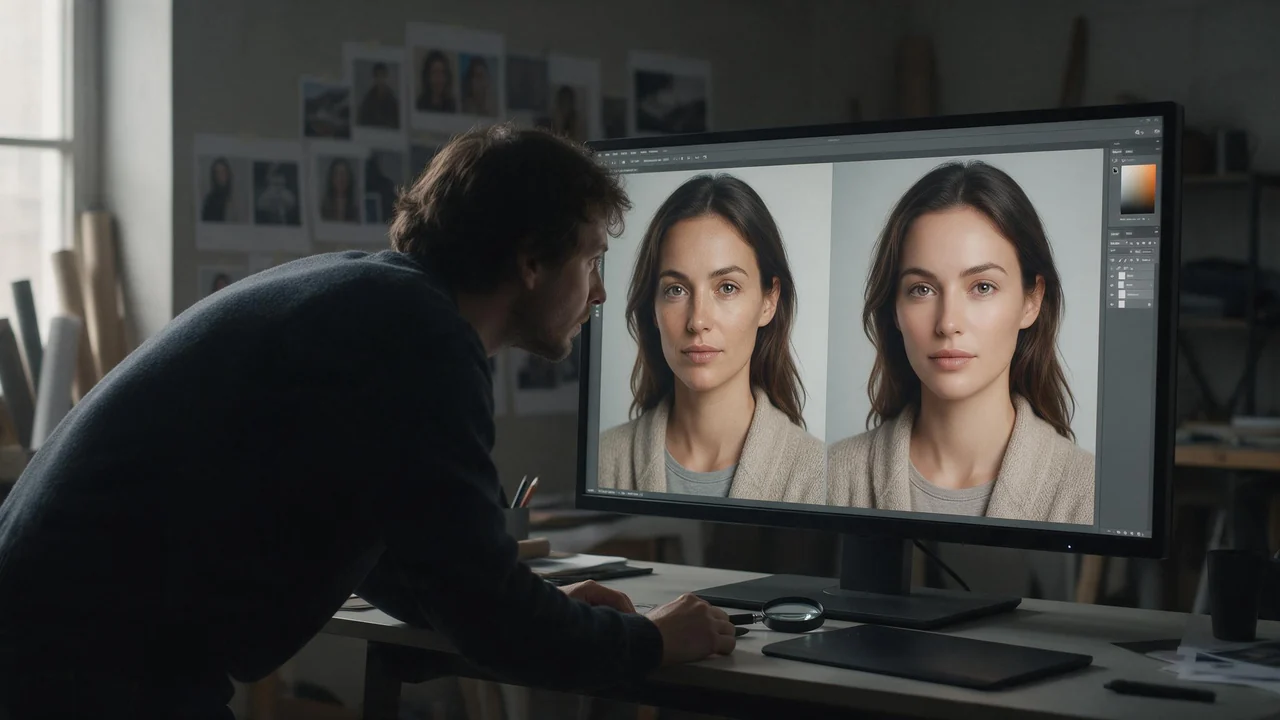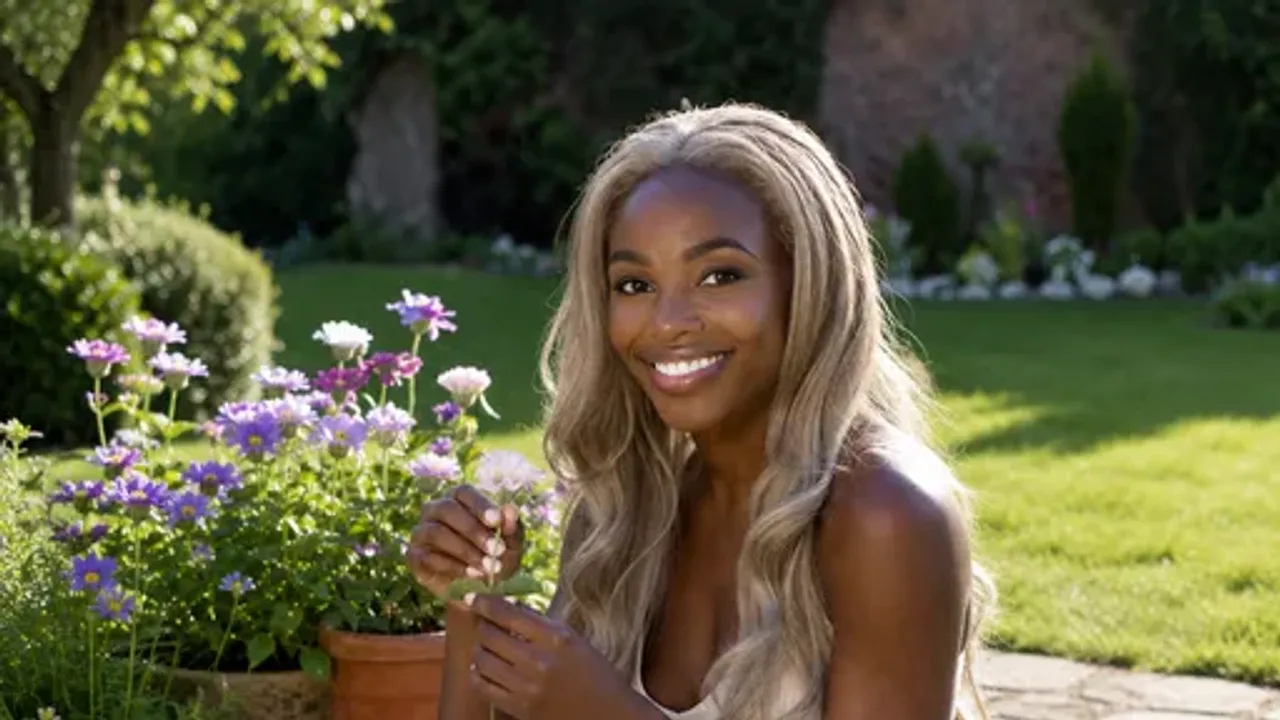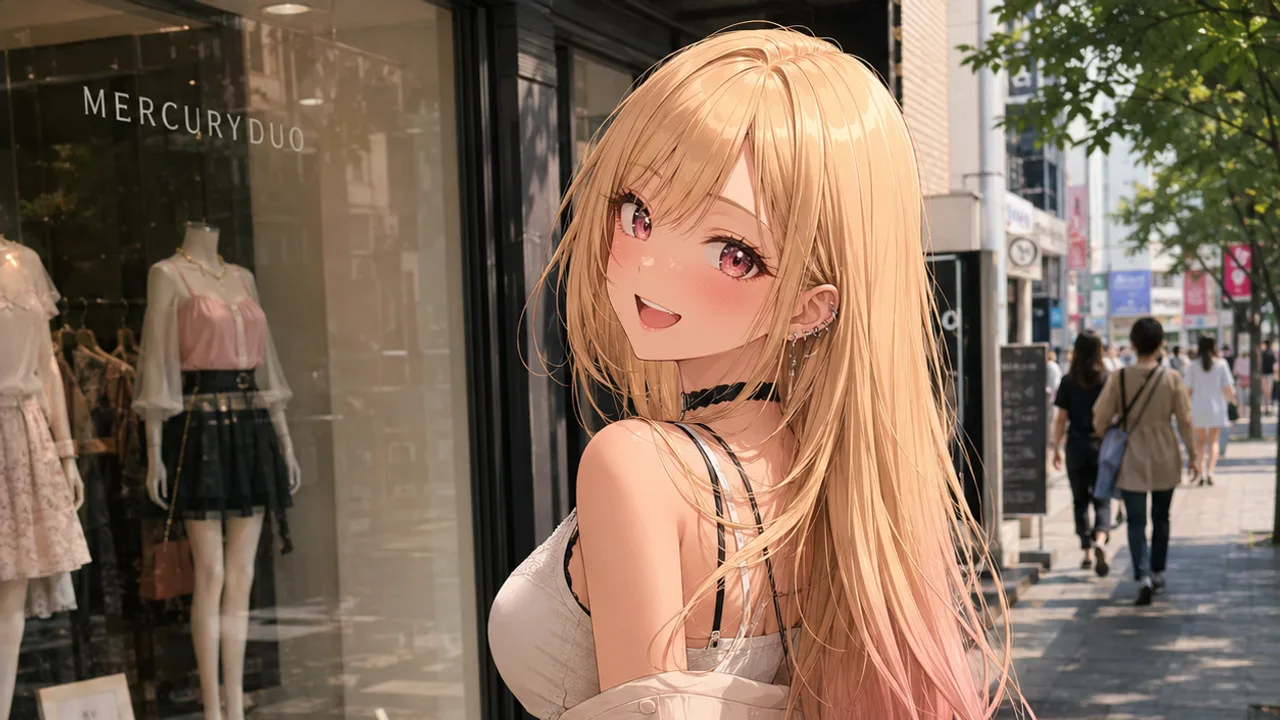
NSFW AI Facial Expressions: Write the Look, Not Just the Face
A perfect face with a blank stare is a mannequin. Notes on writing the look: eyes, mouth, brows, a reason behind the smile, and the expressions image models still get wrong.
Every Fellowi article tagged Guide, newest first: guides, character deep-dives and practical tips. Each card opens the full article. Free to read.

A perfect face with a blank stare is a mannequin. Notes on writing the look: eyes, mouth, brows, a reason behind the smile, and the expressions image models still get wrong.

Dear, darling, tired, glad: in half our languages each of these words says whether you are a man or a woman. Here is how a companion decides, and why it stopped guessing.

A wallpaper is a picture with a clock, a dock and twenty icons on top of it. Screen by screen: the frame to pick, where to leave empty space, and what an AI generator still cannot do for you.

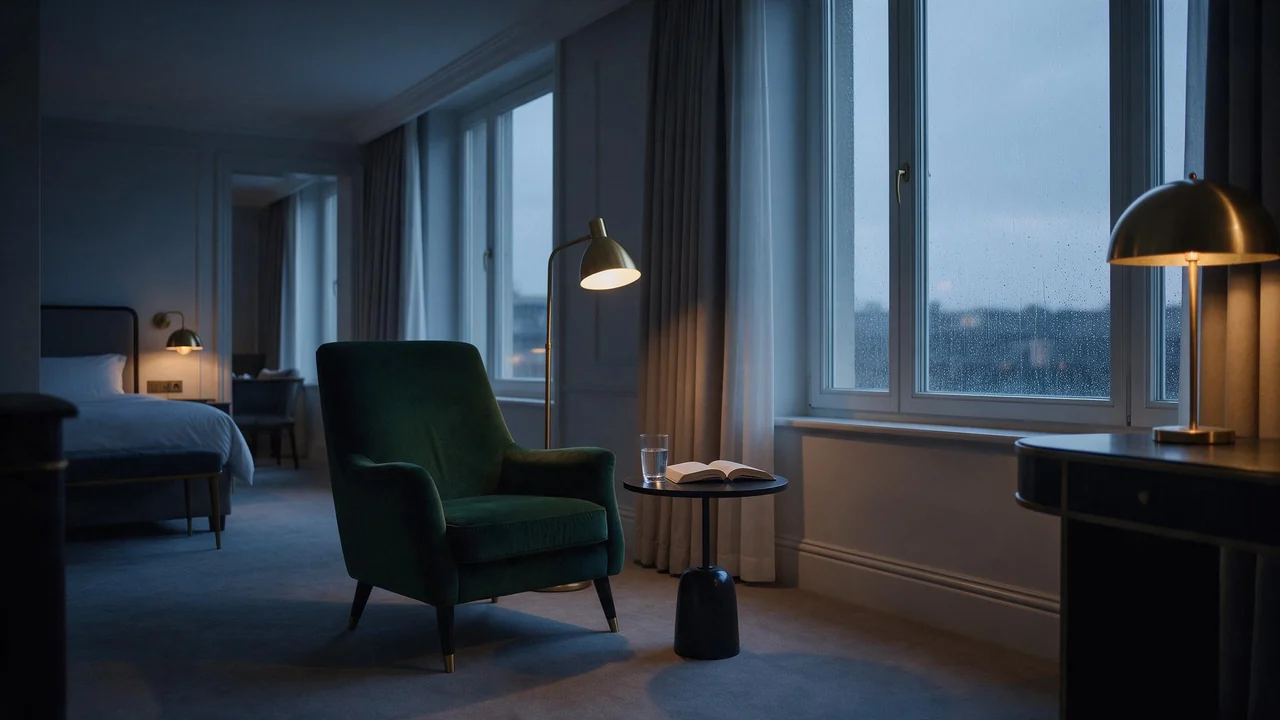
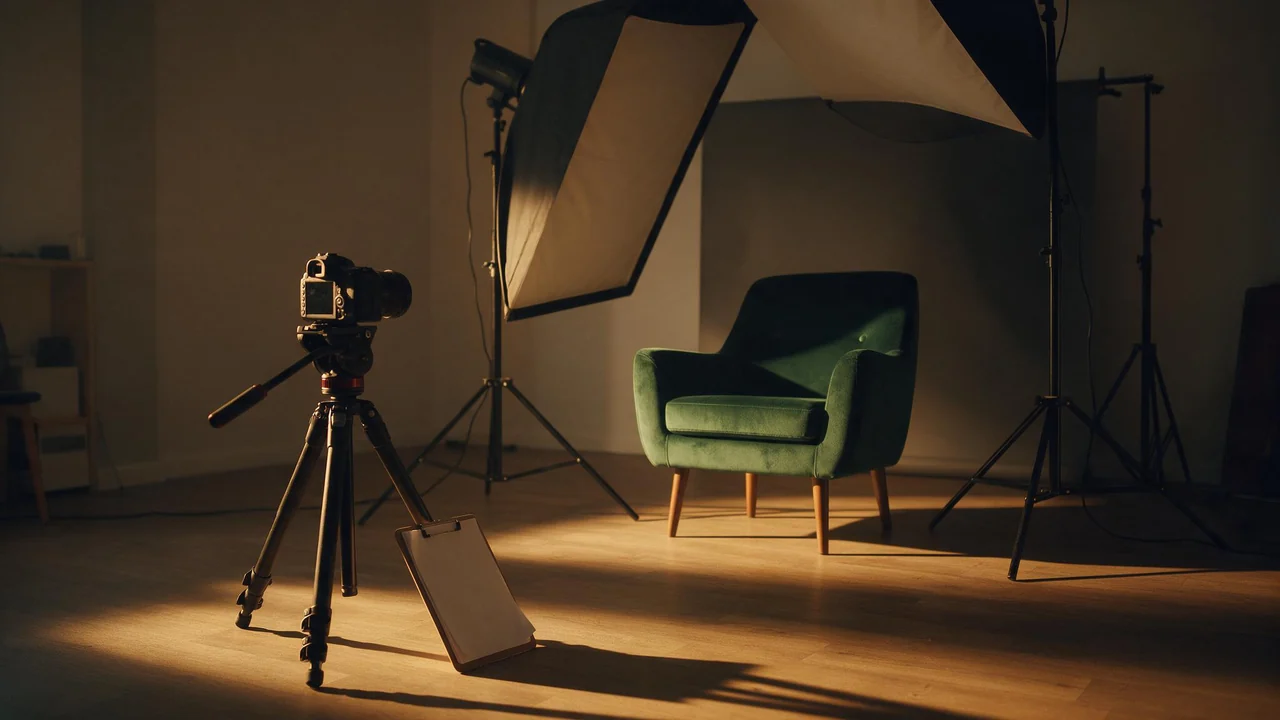
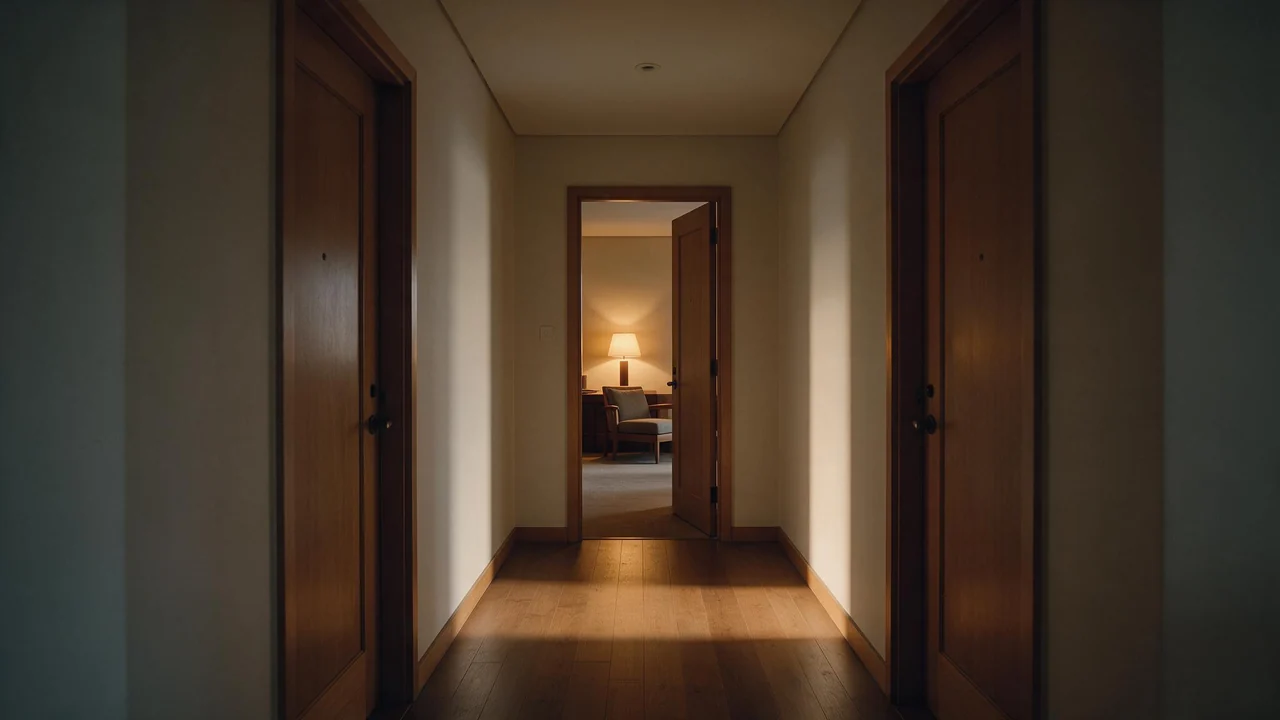
Before the light, the outfit or the pose, there is a room. A set designer's walk through four dressed rooms, the props that earn their place, and the sentence that keeps a setting from drifting.

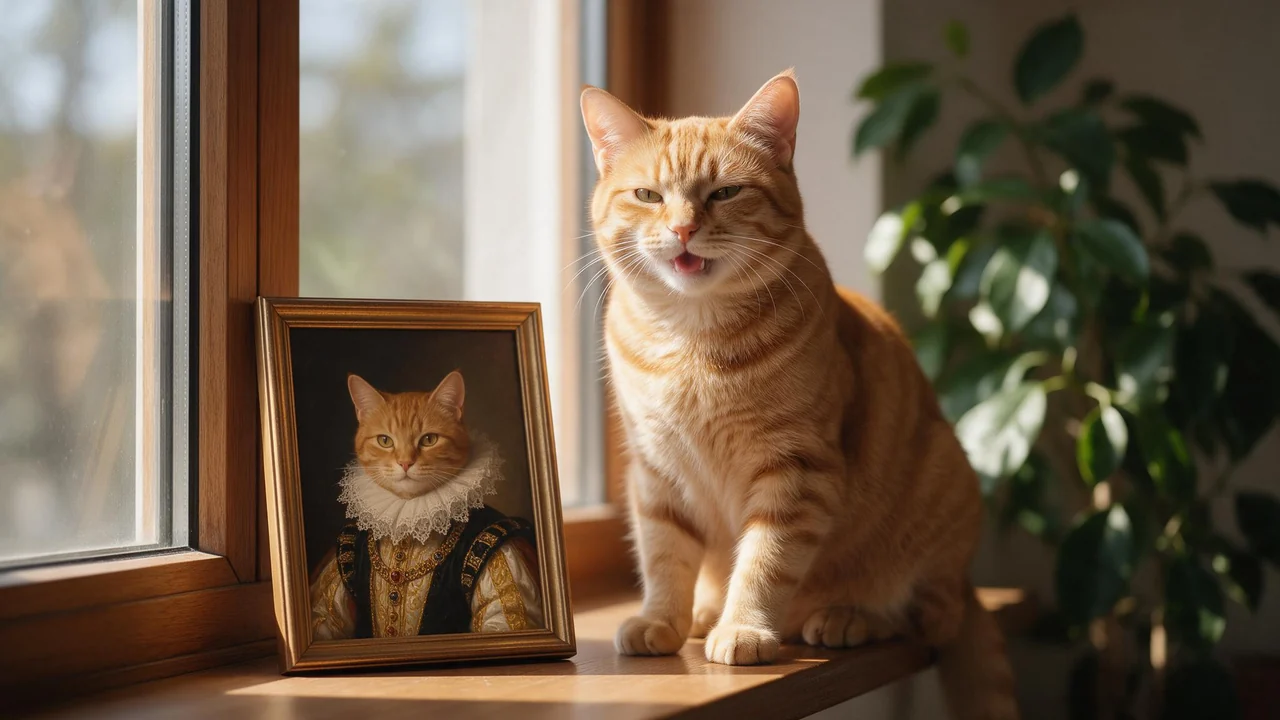
A ginger cat as a Tudor queen, a beagle in a space suit, a rabbit in a storybook. A small recipe for pet portraits that still look like your pet, and the honest list of what drifts.

The art can come from a prompt. The title, the spine and the genre signals still need a human eye. A practical split of the work for indie authors, with the rights spelled out.

Next to Realism and Anime there is now a third chip: companions written by other members. Where they come from, what checks them before you see them, and a quick way to tell a good one.

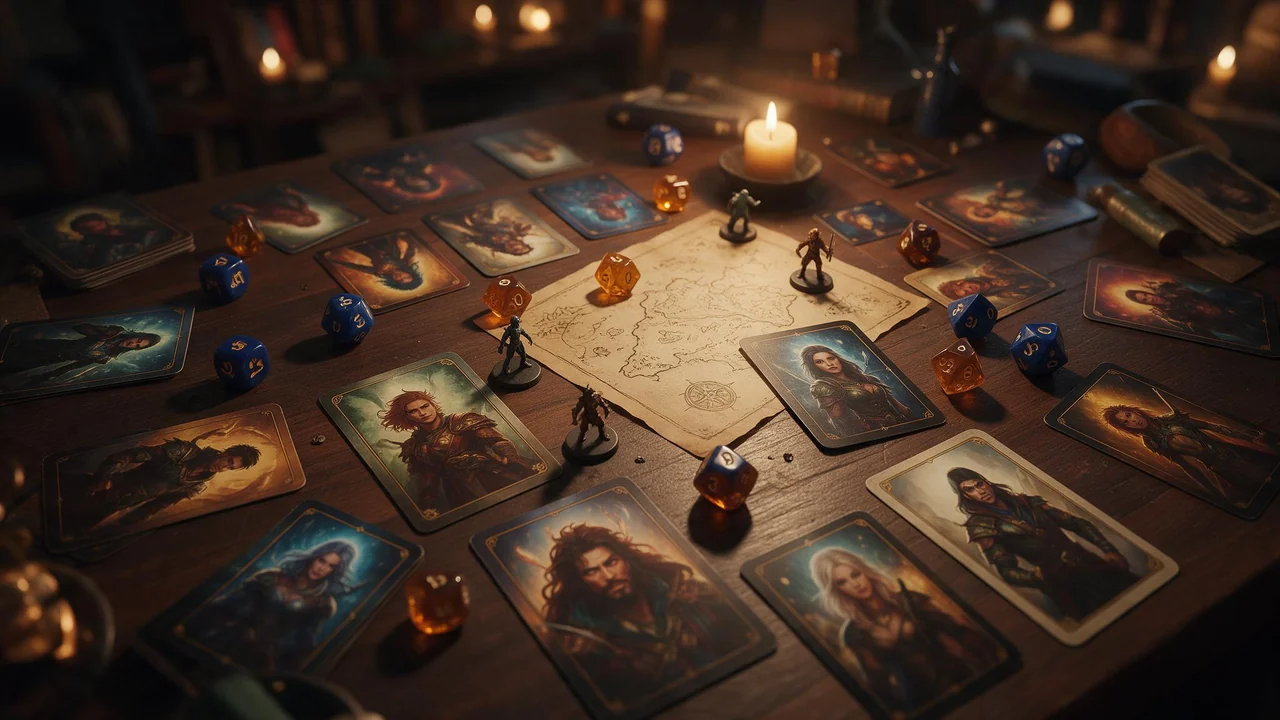
Theatre of the mind works better when the innkeeper has a face. A session-prep routine for portraits, NPCs, locations and handouts, and the honest list of what AI art will not do for your table.

Light and fabric are only half of a picture. Where the camera stands decides the rest: height, distance, lens, pose and gaze, as a photographer's shot list you can paste into a prompt.
A candle shop, a bakery, a one-person studio: a recurring face makes a small brand's feed feel like somebody runs it. Where an AI presenter helps, where she backfires, and how to keep her the same.

A coin price is not a budget. The unit a team should plan in is the finished asset, and the packages built for teams only pay off once you know your own keeper rate. A method in four steps.

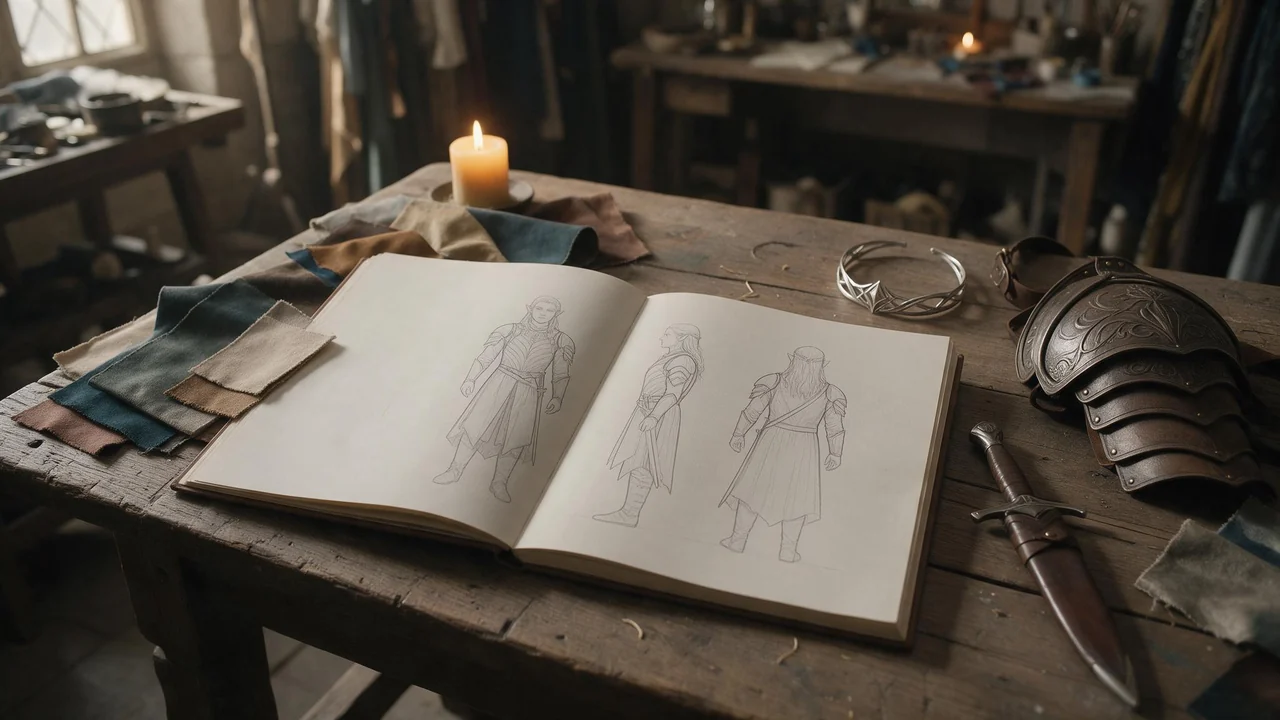
An elf ranger, a vampire countess, a knight with a scar: original fantasy characters are where AI pictures get personal. A character sheet, the anchors that carry her, and the rules that hold.

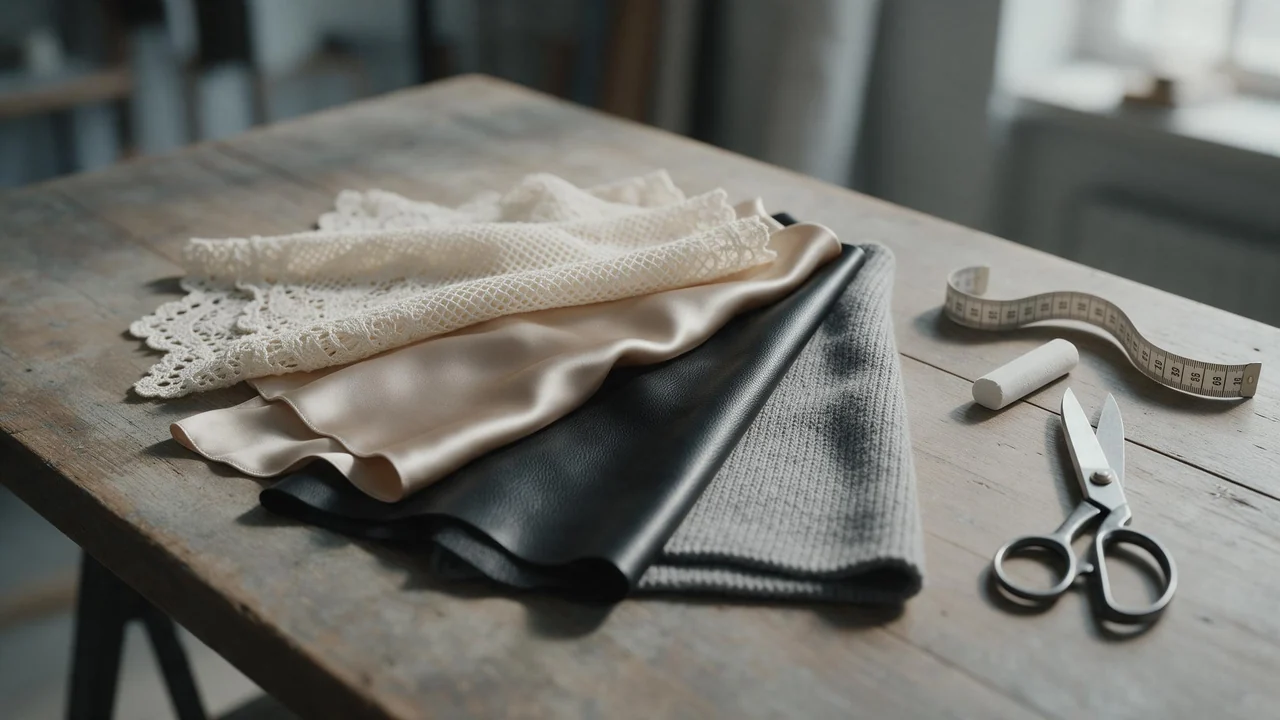
Fabric words do a lot of quiet work in an intimate AI picture. A six-entry dictionary with the phrase, the look and the usual failure, plus how to write one outfit sentence.

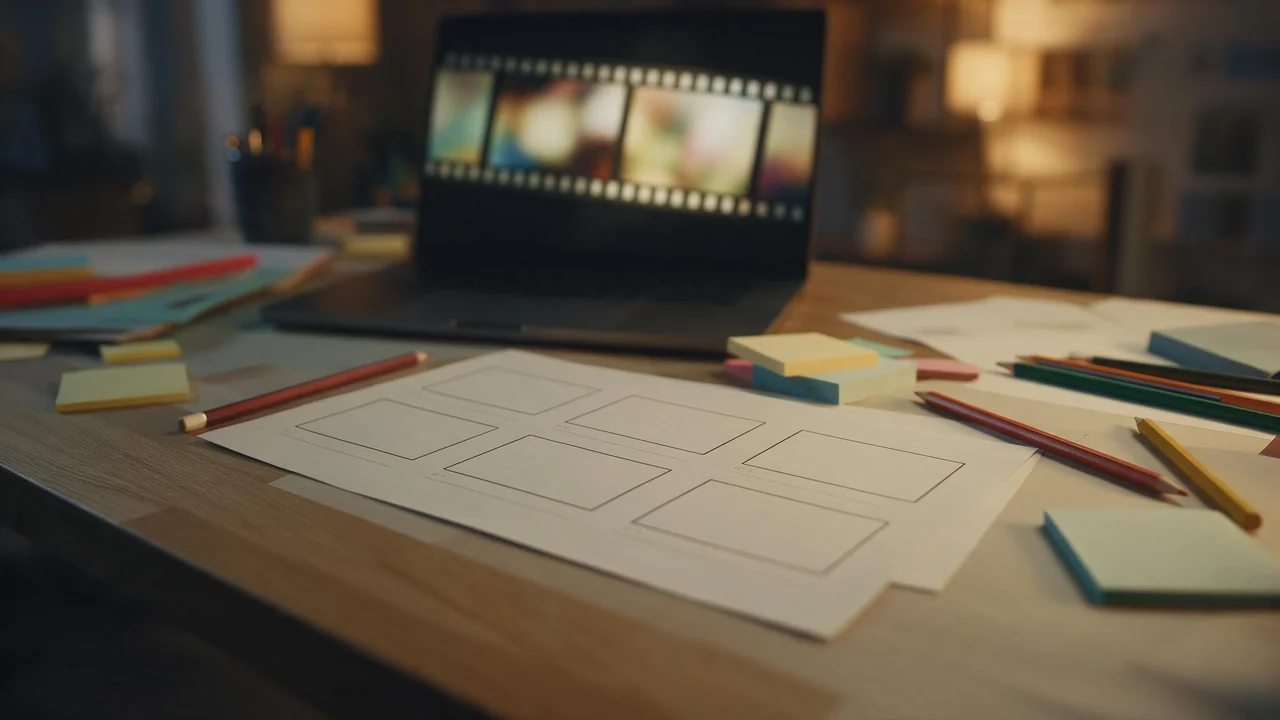
One good picture is a moment. Six that belong together are a story. A shot list from establishing frame to quiet close, with the settings that keep it one character.

Light is the part of an intimate AI picture most people leave to chance. Five recipe cards, one sentence each, plus how to keep a whole set under the same light.

She has already said hello. What you type next decides how fast she stops being a stranger. Copyable sentences that stick, the ones that do not, and what to expect back.

You can start without reading a manual. These are the words on the controls around the prompt field, each explained in a breath, with the article that goes into detail.

Streaming, the Stop button, a provider that answers and then goes quiet, and why an empty reply never counts against your messages.

The file you download is clean, private and yours to use. Here is the full list of strings we do not attach, and the few limits we do.

Start from the picture, not the prompt. Eight symptoms of a bad adult render, the usual cause behind each, and the one change worth trying first.

Five looks for adult AI images, the vocabulary that moves a model toward each, one suggestive example prompt apiece, and how to keep a whole set in one style.

A clip is a moment, not a scene. Weak adult video prompts rewritten, why each rewrite works, and what video still cannot do well.

She remembers your dog's name and forgets what day it is. That is not a bug, it is the shape of what she is given. Here is the full list, including the gaps, so you know what to tell her.

The Model select in the image studio has three entries, and the cheapest one is deliberately limited. Here is what each produces, what each costs in coins, and when the small one is the right call.

A fictional character, your own words, one Adult chip and a privacy choice. The whole path from a blank form to the first message, including the parts that say no.

You asked, and she kindly pointed you somewhere else. That is by design: two kinds of companion, the cards under her reply, and the lines no companion crosses.

A picture in the wrong shape gets cropped or regenerated, and regenerating costs coins. Choose the frame first: what each ratio is good for, and what auto really does.

Chapter forty, and the sword has a new name. It is not the companion being careless; it is how chat memory works. Here is what to do about it.

The picture you keep is rarely the expensive part. The six before it are. Here is the order to turn the paid switches on, and the ones you can leave off entirely.

Who, where, what just happened: the three lines that start a good scene. A game master's advice for roleplay with a companion, including where the story drifts.
The picture is the part AI does well. The title, the permissions and the final check at postage-stamp size are still yours.

The counter ran out in the middle of a scene. Here is what it was counting, when the room comes back, and what the wall leaves alone.

No password, no card, no plan. The seven steps from an empty inbox to a downloaded picture, and the four things the free coins will not do for you.

Flat monthly plans suit heavy daily users. Pay-per-image suits everyone else. Where each one wins, checked against their own pricing page today.

Tell one companion you moved to Lisbon and the next one knows too. Here is exactly what is shared, what stays in one chat, and the switch that turns it all off.

A laptop, a browser tab and a handful of coins. What you gain by not installing anything, and what you give up.

One hands you a workbench, the other a room of people already talking. Voice, price, memory and languages, compared with the dates on.

One tap under the message field turns the conversation so far into a picture or a short clip. What happens behind it, who pays, and the limits worth knowing first.

Pay once for a pack, spend it one picture at a time, keep what is left. Here is the whole route from a sentence to a file on your disk.

Both apps sell companions and pictures, so this one can be compared line by line. Where their pages are silent, we say so instead of guessing.

Every one of these questions is answerable in five minutes from a company's own pages. Most people ask none of them until something goes wrong.

She was a person for an hour, then said something an assistant would say. Four reasons that happens, and what to do about each.

Everyone says fast. Almost nobody says how many seconds. Here are ours, taken from the same rows that bill you.

They are good at something we do not do at all. Here is the comparison with that said out loud, and with the parts we could not verify marked as such.

It is not the companion thinking of you at 9pm. It is something more deliberate than that, and knowing how it works does not spoil it.

A failure refunds itself. A refusal never charges you at all. The only thing you really pay for is a picture that worked.

Nine coin packages, one honest comparison: what you actually pay per coin at every tier, from a €2.99 starter to the biggest pack Fellowi sells.

Up to 10 reference images per generation - your own photo or a companion's - and the model edits from them instead of starting blank.

A second subscription, separate from your chat plan: coins for Images and Video land in your wallet every month, automatically.

AI video pricing is quoted in credits precisely because it is hard to compare. This is the whole table in euros, including the combinations that cost sixty times more than you expect.

Comparison posts usually rank products the author never paid for. This is the checklist instead, with our own answers filled in and the places we come off worse marked as such.

Getting better at this was mostly subtraction. Here is everything I dropped, why, and what replaced it.

The single biggest jump in my results was not a technique. It was writing things down so I stopped starting from scratch every time.

I assumed the phone was the compromised version. It turns out the constraints of a small screen and a thumb keyboard change what you make, mostly for the better.

I expected to get bored in four days. What actually happened was stranger and more ordinary than either the enthusiasts or the critics describe.

Almost nothing I generate gets shown to anyone. It turns out the useful cases are the unglamorous ones nobody writes posts about.

It took about forty minutes and 3,150 coins, and most of the forty minutes was me looking at a progress bar deciding whether to change something.

I kept the whole trail for once. Twelve attempts, about eighty cents, and only seven of them taught me anything.

I burned my free coins in about ninety seconds and had nothing to show for it. Here is what the rest of the week looked like.

The usual workflow has a second half: export the clip, go find music, go find effects, sync them, export again. That half is gone.

The tell is never that the image is bad. It is that it is too clean, too even and too symmetrical. Here is what to write instead.

Both paths exist and they are not interchangeable. The rule is simple: if a specific face has to survive the clip, start from an image.

Most prompt guides teach in fragments. This one hands you five whole prompts you can paste as they are, then explains the order the parts go in.

Most of the settings do less than you think and two of them do far more. Here is the honest ranking, with what each costs.

The settings that matter for vertical, why the first second decides everything, and the part nobody tells you: adult output is for you, not for your feed.

Everything we had written about our video generator was a year out of date. This is the honest, current list, with real per-second prices.

The same prompt works on Tuesday and fails on Thursday. That is not you imagining things, and the reason is more interesting than censorship.

A written description is not an identity. A reference image is. What that changes about how you write the rest of the prompt.

The picture decides who is in the shot. The prompt only decides how they move. Get that order right and adult clips stop being a lottery.

Name what should be in frame, never what should not. Six rewrites, and the one habit that makes a generator produce the exact thing you were trying to avoid.

Different products suit different people. Here is what to compare before you switch companion apps.

Mainstream character-chat apps filter mature content. Here is what a grown-up alternative should offer, and where the line still is.

A permanent nickname, no names or emails, one-tap translation across 11 languages, and a few house rules. Meet the lobby.

Two or three companions, one thread: how they take turns, who pairs well with whom, and the joint photo.

15 videos a month, 300 photos, 15 avatar slots, group chats - and an honest comparison with just buying coins.

The image does the what, the prompt does the how. Before-and-after prompts, and the three mistakes that ruin a 4-second clip.

Six packages, real prices, coins that never expire, and a refund if a generation fails.

Four settings, one minute to decide. Here's when each one actually matters.

Vague prompts get vague pictures. Here is what to name instead, with six real rewrites.

A long backstory is not what keeps someone talking. Three small, specific things do most of the work.

There is no magic command. Just ask like you mean it - here is how to get exactly the photo you pictured.

Match your mood to a character: who to talk to when you want calm, chaos, a push, sharp thinking, or easy company.