

NSFW AI Outfits and Fabrics: A Small Dictionary for Better Prompts
By The Fellowi Team · · 7 min read
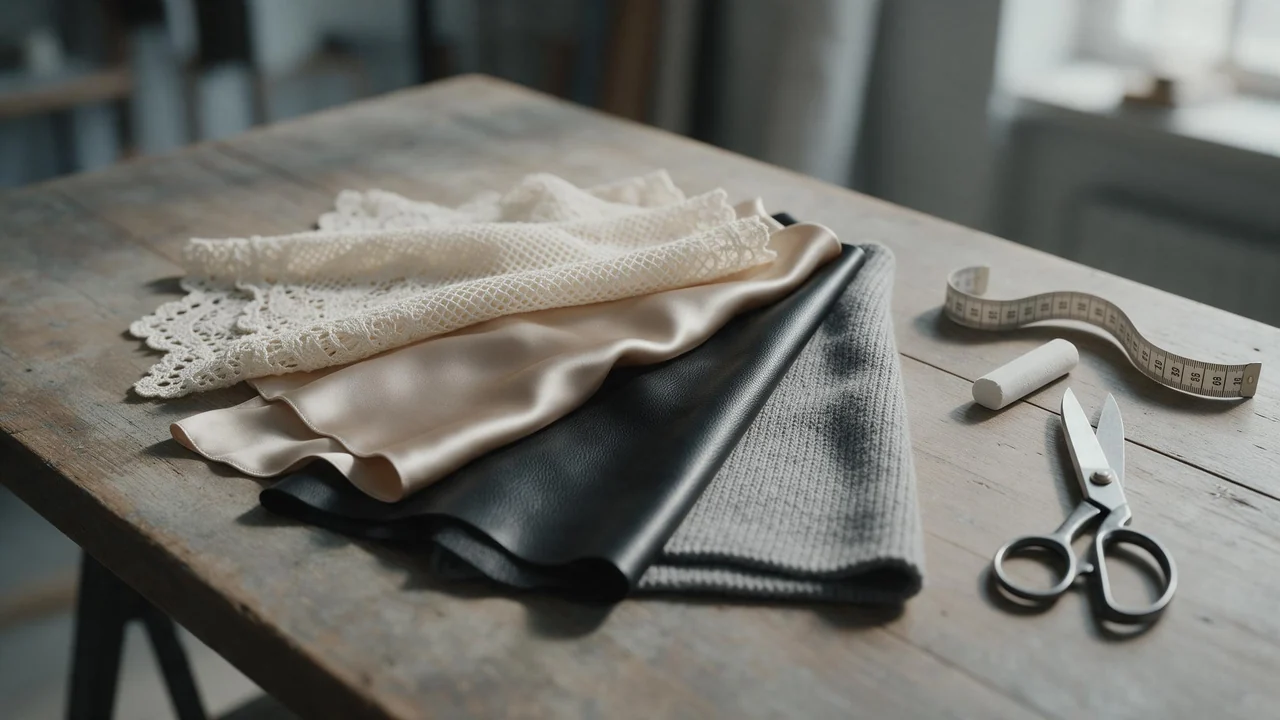
Clothing words do a lot of quiet work in an intimate picture, and fabric words do most of it. Saying a robe is silk or wool tells the model how light should sit on it, where folds should fall and how much the cloth should cling. This post is a small dictionary: six fabrics, the phrase that summons each, the look you get, and the usual way it goes wrong. It stays on the craft of describing clothes, not on anything explicit.
The dictionary
- Silk and satin:“a champagne satin robe, soft long highlights along the folds”. Smooth sheen that catches window light. Fails when the highlights turn plastic, so ask for soft, not glossy.
- Lace:“a black lace trim at the collar and cuffs”. Delicate and classic. Fails as noise when asked for in large areas, so keep it to trims.
- Velvet:“a deep green velvet dress, rich matte surface, shadows that swallow the light”. Heavy and warm, forgiving under candle light. Fails when it reads as flat colour, so mention the soft nap.
- Sheer chiffon:“a pale chiffon scarf drifting in the air, light passing through it”. Airy and moving. Fails when the cloth merges into skin, so describe it as a separate layer.
- Knit:“an oversized cream knit sweater slipping off one shoulder, visible chunky stitches”. Cosy and relaxed. Fails when the stitches smear, so ask for chunky, not fine.
- Leather:“a fitted dark leather jacket, worn edges, a faint glint on the seams”. Sharp and confident. Fails on stitching and zips, which wander, so keep the details few.
One fabric per outfit is the rule of thumb. The model does best when the cloth is a clear thing with one clear behaviour.
Why fabric fails
Fine patterns are the hardest case, which is why lace is the dictionary’s trouble child. Seams, zips and buttons wander because the model understands what clothing looks like, not how it is made. And cloth sometimes merges with skin where the two meet; describing the garment as its own layer, with its own edge, helps. The enhancer’s Photographic and Realistic styles favour texture, the Anime style flattens it, and its rewrite can replace careful wording, so read the final prompt. The budget model has no enhancer, no references and no aspect-ratio choice, which makes it a quick test bench for a single fabric phrase. Prices and limits are on the product page.
Writing one outfit sentence
A reliable shape is garment, fabric, colour, fit, and one detail: “a fitted burgundy velvet dress, off the shoulder, a thin gold chain at the neck”. Keep it to one sentence so the model does not lose the end of it. If the same outfit has to appear in several pictures, use a reference: it carries the look as well as the face, and the first reference is what automatic framing follows.
What a fabric word cannot do
It cannot make cloth physically accurate, keep a pattern identical across a set, or fix a pose. It changes nothing about the rules either: characters are always clearly legal-age adults, and anything involving minors, age-play or non-consent is refused outright, whatever they are wearing.
Try one entry in Fellowi Images. For the wider set of prompt shapes read the adult image prompts guide, for what a rewrite does to your wording should you let AI rewrite your prompt, and for the looks themselves the art styles tour.
Questions this post answers
Why does lace so often come out wrong in AI images?
Lace is a fine repeating pattern, and models turn fine patterns into noise or smear them into skin. Ask for a lace trim or a lace sleeve rather than a full lace garment, and the pattern stays readable.
Should I name more than one fabric in an outfit?
Usually one. Two fabrics invite the model to blend them into something that is neither. If you want contrast, make one the main fabric and name the other only as a small detail, such as a satin ribbon on a knit top.
Does the art style change how fabric looks?
A lot. The Photographic and Realistic enhancer styles favour real texture and folds, while the Anime style flattens fabric into clean shapes with a few highlight lines. Pick the style first, then write fabric words that suit it.
Keep reading
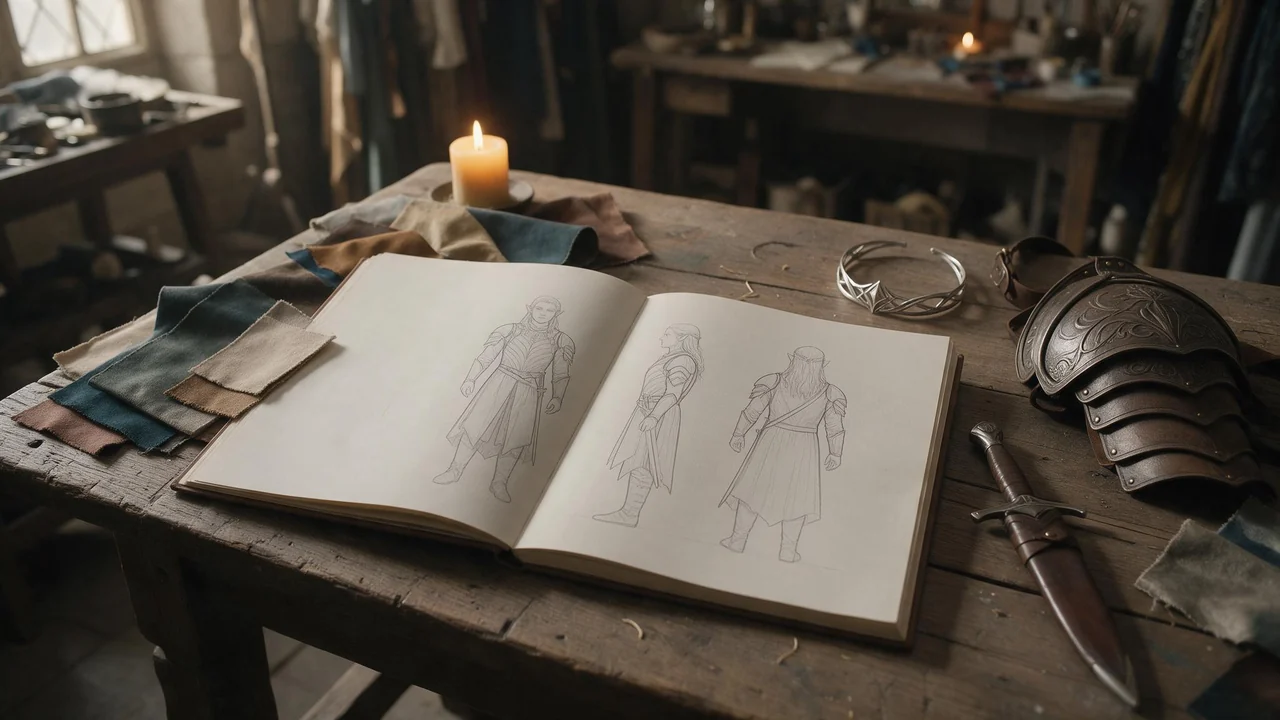
NSFW AI Fantasy Characters: Designing an Original Adult Elf, Vampire or Knight
An elf ranger, a vampire countess, a knight with a scar: original fantasy characters are where AI pictures get personal. A character sheet, the anchors that carry her, and the rules that hold.

How to Write NSFW AI Image Prompts That Actually Render
Name what should be in frame, never what should not. Six rewrites, and the one habit that makes a generator produce the exact thing you were trying to avoid.
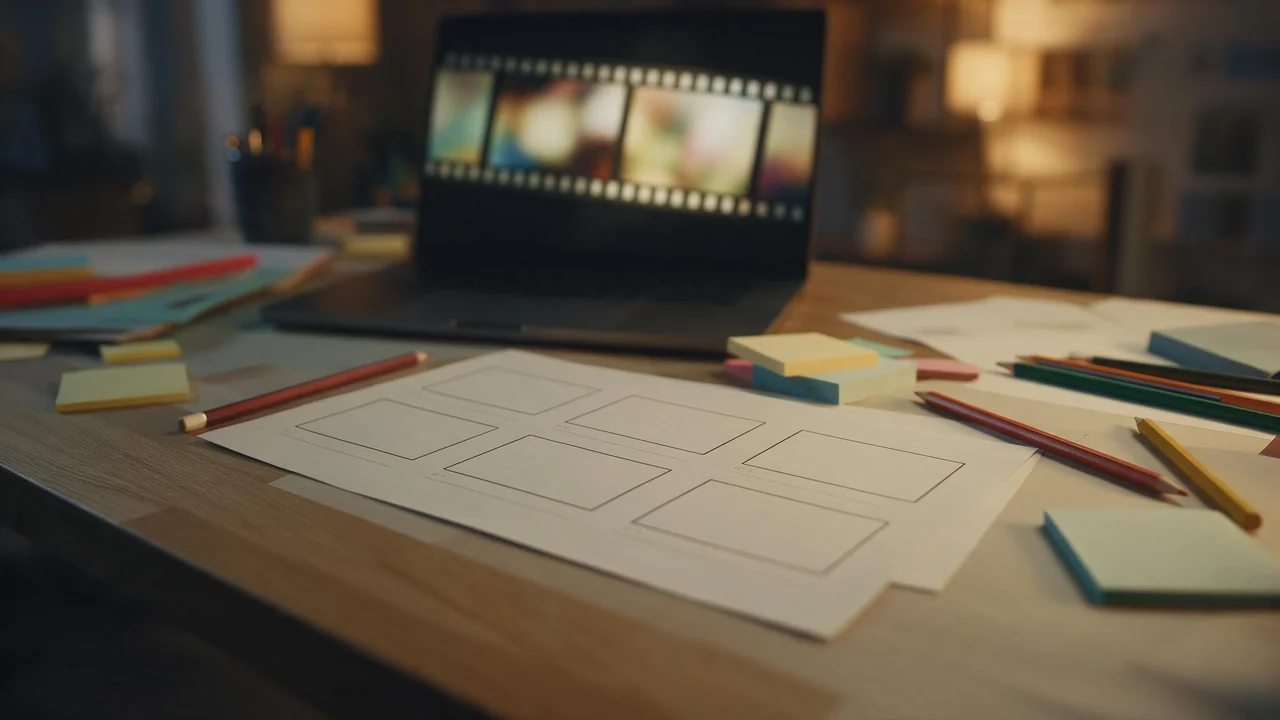
NSFW AI Image Series: Telling a Story Across Six Frames
One good picture is a moment. Six that belong together are a story. A shot list from establishing frame to quiet close, with the settings that keep it one character.