

NSFW AI Boudoir Lighting: Five Recipes You Can Paste Into a Prompt
By The Fellowi Team · · 6 min read
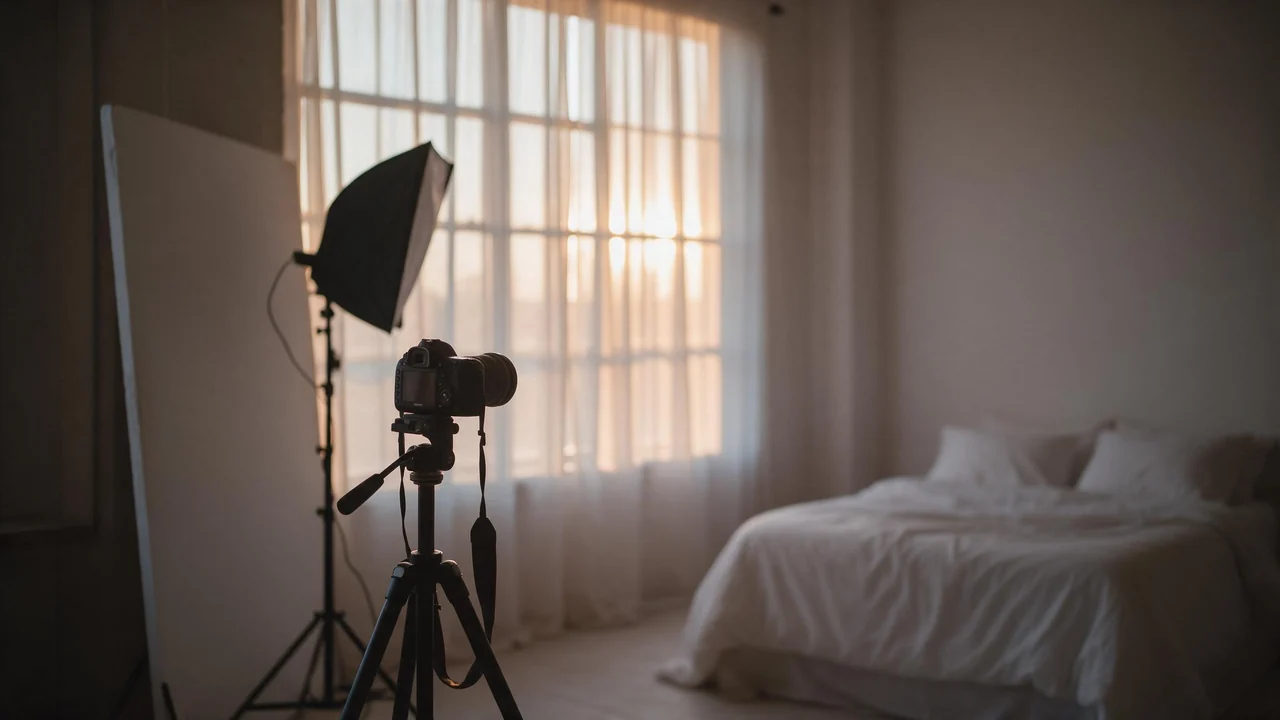
Lighting does most of the work in a good boudoir-style picture, and it is the part people leave to chance. A prompt that names the pose and the outfit but not the light gets whatever the model considers average: flat, front-on, a little grey. Think of what follows as recipe cards you can pin above the prompt box. Each one is a single sentence of light that you paste in, with a note on what to expect.
Five light recipes
- Window light, late afternoon:“warm low sun through a sheer curtain, soft shadow across the sheets”. Intimate and daytime. The easiest recipe to get right.
- Candle glow:“a single candle off to one side, golden flicker, deep soft darkness behind”. Dramatic. Edges and hands go soft, which quietly hides small errors.
- Bedside lamp:“a lamp with a warm shade, a pool of amber light, the rest of the room dim”. Cosy, good for a quiet portrait.
- Neon spill:“pink and blue neon from a window sign, reflections on skin, night city mood”. Stylised. Colours bleed, so ask for one dominant colour.
- Morning haze:“pale morning light through a hazy window, low contrast, pastel tones”. Gentle and airy.
Each recipe names one source and one mood. That is the whole trick: the model can follow a single clear light, and it cannot follow three.
Where lighting goes wrong
Light words fight each other. Golden hour plus neon gives mush, so pick one. Models also love even, shadowless faces, so ask for shadow on one side if you want depth. The prompt enhancer helps here, especially in its Photographic style, but its rewrite can replace careful wording, so read the final prompt and switch the enhancer off if your light sentence vanished.
For testing a recipe, the budget model is enough: it has no references, no enhancer and no aspect-ratio choice, but it shows you quickly whether the light reads. Use the mini family for fast tries and the full family for the picture you keep. Prices and limits live on the product page.
Keeping a whole set under one light
Paste the same lighting sentence into every prompt of a series. Then add a reference picture: the first reference is what automatic framing follows, and a reference carries the look as well as the face, so the light travels with it. The longer story of making a set hang together is in the consistent character guide.
What lighting cannot do
A lighting sentence cannot rescue a broken pose, repair hands or guarantee the same face twice. It also changes nothing about the rules: characters are always clearly legal-age adults, and anything involving minors, age-play or non-consent is refused outright, however it is phrased.
Ready to try a card? Open Fellowi Images, paste one recipe and compare. For the wider tour of looks, read the art styles guide, and for the wording around the light, how to write image prompts.
Questions this post answers
Why does lighting matter so much in intimate AI images?
Because it sets the mood before any detail is read. A prompt that names the pose and the outfit but not the light gets the model's average, which is flat and front-on. One sentence about the source and the mood changes the whole picture.
Can I mix two lighting recipes in one prompt?
You can, but the sources fight each other and the result turns muddy. Name one source and one mood. If you want a second colour, make it a faint accent, not an equal partner.
How do I keep the same light across a set of pictures?
Paste the identical lighting sentence into every prompt and add a reference picture, because a reference carries the look as well as the face. Check the final prompt after any rewrite so the light sentence did not disappear.
Keep reading
NSFW AI Image Series: Telling a Story Across Six Frames
One good picture is a moment. Six that belong together are a story. A shot list from establishing frame to quiet close, with the settings that keep it one character.

NSFW AI Generation Glossary: Every Term Before Your First Picture
You can start without reading a manual. These are the words on the controls around the prompt field, each explained in a breath, with the article that goes into detail.
NSFW AI Outfits and Fabrics: A Small Dictionary for Better Prompts
Fabric words do a lot of quiet work in an intimate AI picture. A six-entry dictionary with the phrase, the look and the usual failure, plus how to write one outfit sentence.