

Animate Your AI Photos: From the Photo Tab to a Moving Clip
By The Fellowi Team · · 6 min read
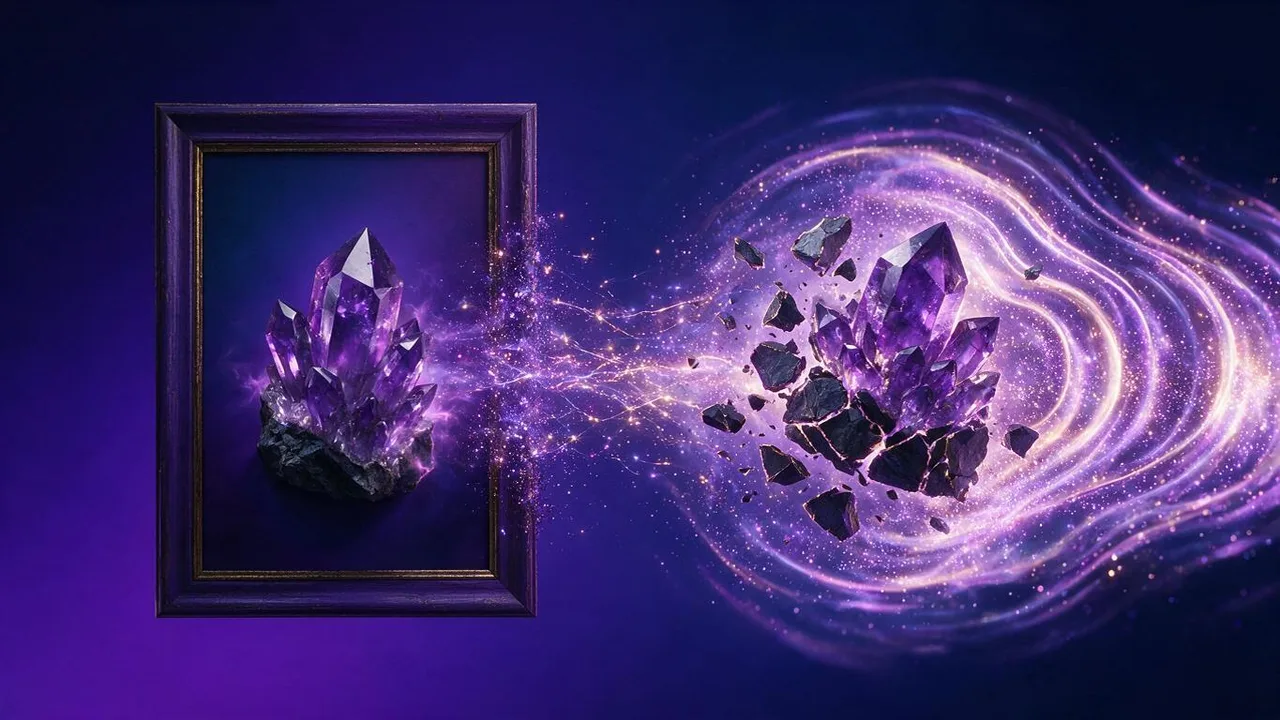
Every good still has a hint of motion already sitting inside it. Steam climbing off a cup. A curtain caught halfway through a gust. Hair that has clearly just been tossed. When you look at a picture like that, you can almost see the next half second. Fellowi Video exists to render that half second for you, and the fastest way to get there is to make the picture yourself first.
This is a workshop post, not a launch announcement. If you want the overview of what Fellowi Video is and who it is for, that piece has it. Here we are going to sit at the bench and actually build a clip: still first, motion second, one studio the whole way.
The studio: one page, two tabs
Click the magic-wand icon in the header and you land in the studio. There are two tabs along the top, Photo and Video, and your coin balance sits in the top-right corner. You can poke around as a guest to see how it works, but generating anything needs an account. The important thing for this workflow is that the two tabs are the same page. Switching between them does not throw away what you were doing, so a render that is still cooking in one tab keeps cooking while you work in the other.
Step one: build the still in the Photo tab
Open the Photo tab and write the frame you want to start from. Think of it as the first frame of a film rather than a finished portrait, which changes how you write:
- One subject, one idea. A single person, a single object, a single place. Four seconds is not long enough to move three things convincingly.
- Leave room to move into. If the subject fills the frame edge to edge, there is nowhere for the camera to drift. A little negative space gives the motion somewhere to go.
- Plant the motion in the still. Wind in the hair, a glass mid-pour, rain on the window. The still should already look like a paused moment.
- Pick your quality. Standard costs 40 coins, High quality costs 60. For a start frame, Standard is usually plenty; the clip renders at 720p anyway.
Generate, look at it honestly, and regenerate if it is not right. At 40 coins a try, this is the cheap part of the process, and it is exactly where you want to spend your iterations. A weak start frame does not get rescued by a clever motion prompt.
Step two: bring it to life in the Video tab
Switch to the Video tab. Your generated photo becomes the start image, the frame the clip begins from. Now write a second prompt, and this one is about change, not appearance. The still already describes what everything looks like; the video prompt describes what happens next. A slow push-in. The steam drifting left. She turns her head toward the window. Keep it to one or two movements and say which direction they go.
Hit generate and give it a few minutes. The result is a 4-second, 720p clip with generated sound. The page polls for the finished render and shows it when it is ready, and it survives a reload, so you can wander off and come back. Writing the motion prompt well is its own craft; we put everything we have learned about it in how to write AI video prompts.
Why generate the still instead of uploading one
You can upload a start image, and sometimes that is the right call. But generating it in the Photo tab gives you a level of control an upload never does:
- You choose the composition for motion. A photo you already have was framed to be a photo. A start frame you generate can be framed to be animated: space on the side the subject will turn toward, a background that can drift.
- You know exactly what the model is looking at. No phone-camera noise, no odd crop, no compression. The still is as clean as the generator can make it, which is the input the video model does best with.
- Iteration is cheap where it should be cheap. Fixing the still costs 40 coins. Fixing the clip costs 500. Getting the frame right before you press the expensive button is simply good economics.
- Style stays coherent. Photo and video are made in the same studio, so the still and the motion belong to the same visual world instead of a real photo being pushed into an aesthetic it never had.
What a good still-to-motion pair looks like
The pairs that work share a pattern: the still commits to a moment, and the motion prompt finishes that moment rather than starting a new one.
- Still: a woman at a rain-streaked window, warm lamp behind her, hand resting on the glass. Motion: rain runs down the pane, she exhales slowly, the lamp flickers once. Ambient rain and distant traffic.
- Still: an espresso cup on a wooden counter, steam rising, morning light from the left. Motion: slow push-in, steam curls upward and thins out. The soft hum of a cafe.
- Still: a figure on a cliff path, coat open, wind already in the fabric. Motion: the coat billows, the camera drifts right to reveal the sea. Wind and gulls.
Notice what these do not do. Nobody walks out of frame. No scene cuts. Nothing new appears that was not already in the still. Four seconds is a breath, not a story, and the clips that feel alive are the ones that accept that.
What the whole thing costs
Two generations, two prices, and they add up plainly:
- The still: 40 coins at Standard quality or 60 at High. New accounts get 40 free coins, which covers exactly one Standard image.
- The clip: 500 coins. The Starter pack is 500 coins for €2.99, so your first clip costs about two euros; bigger packs bring the per-clip price down.
- Or the Director plan. Director (€59.99/month) includes 15 videos per rolling 30 days on top of everything Ultra Premium has. Those videos come out of the plan allowance, not your coins. Unused ones do not roll over.
So a complete photo-to-clip pair runs 540 to 560 coins on pay-as-you-go, or just the 40 to 60 for the still if you are on Director. Coins never expire, and if a render fails you are never charged for it: the coins come back to your balance, or the plan slot is returned. For the full package list see Fellowi Coins, explained; plan details are on the pricing page.
Quick answers
Do I have to generate the start image, or can I upload one?
Either. Upload works whenever you already have the right frame. Generating it is the better route when you want control over the composition, or when the frame you have in your head does not exist yet.
How long is the video, and does it have sound?
Four seconds at 720p, with generated sound. A short cue in your prompt about what it should sound like helps.
How long does rendering take?
A few minutes. The studio keeps polling and shows the clip when it is ready, and the page survives a reload, so you do not have to sit and watch it.
What happens if the render fails?
Nothing is charged. Coins are refunded to your balance automatically; on Director, the video slot goes back into your allowance.
Is the Video tab available to everyone?
Anyone with an account and coins can render a clip. Director members also get 15 clips per 30 days included. The studio itself is open to guests as a preview.
Enough reading. Open the Photo tab, make the frame, then step over to the Video tab and let it breathe.