


Winding Down Before Sleep With an AI Companion
The meeting your head calls at 11:40 pm, and a ten-minute conversation that has an ending. What to say, what to skip, and when to see a doctor.
4 de noviembre de 2026 · 6 min de lecturaLeer
Todos los artículos de Fellowi con la etiqueta Mental wellness, del más reciente al más antiguo: guías, perfiles a fondo de personajes y consejos prácticos. Cada tarjeta abre el artículo completo. Lectura gratuita.
The meeting your head calls at 11:40 pm, and a ten-minute conversation that has an ending. What to say, what to skip, and when to see a doctor.

Skip the twelve-box template. Look back at your year in three rounds of talk, with a companion that asks one thing at a time, and an honest note on what it will not remember.

Everyone expects you to enjoy it, and you do not. The stocktake, the count of who remembered, the person who is missing, and an honest look at what a conversation can change.

The month is nearly over and the first Friday of November is coming. A plan for the week after, with an evening check-in that remembers what you decided.

Two clocks on your phone, one short window when you are both awake, and a call that went flat for no reason either of you can name. A day of distance, hour by hour, and what talking it through can and cannot fix.

You have carried it for months and never said it once. This is about that first sentence, where to say it with nothing at stake, and who hears the second one.

Sunday evening and your chest tightens about Monday. A short routine, and one way to use a chat: name the worry, choose a first step, close the laptop.

One Sunday in autumn the light leaves an hour earlier and stays gone until spring. A gentle plan for the darker evenings, in the order that actually helps.

"They will find out." "I got lucky." "Everyone else knows." What a conversation with a companion can do to each of those sentences, and the one thing it can never do for you.

Three nights before, the night before, the morning after: what a companion can do while you sit exams, what it cannot, and when to talk to a person instead.

Six weeks after a layoff, one stage at a time: the evening it happened, the money loop, the voice that says it was your fault, the empty job board tab and the first interview.

Carers rarely open a chat with a question. Five sentences they type instead, and what an AI psychologist does with each, from the snap you regret to the care home question nobody can answer for you.

A name on their screen, a reply that took too long, a story you have already finished in your head. One evening of jealousy, slowed down, and what a calm conversation can and cannot sort out.

The same sum at three in the morning, a debt nobody knows about, a talk you keep postponing. What a calm conversation can untangle, and what it must leave to real people.

Nine days to answer a job offer in another country. Three evenings of talking it through, four piles on a notepad, and an AI that never once told her what to do.

The boxes are unpacked and nobody here knows your name yet. A letter about the first month, one evening routine, and the honest limits of talking to an AI while the city becomes home.

Most companions quietly remember. The psychologists do the opposite on purpose, and that trade is worth understanding before your first session.

You can love your kids completely and still be exhausted by them at the same time. Almost nobody says that part out loud.

It's rarely the date itself you're scared of. It's the hour before it, alone with your own worst-case scenarios.

The worst part of grief is often not the big moments - it's the ordinary Tuesday when it hits with no warning and nobody's awake to talk to.

Not every hard day needs a diagnosis or a five-step plan. Some just need somewhere to land.

The hard part is rarely the topic itself. It's finding a place to ask without the awkward pause.

Sometimes support means being told the thing you already suspect but keep talking around.

It is never really about the dishes. It is about the role you get cast in every single time.

The hard part was never deciding you have a right to say no. It's finding the sentence.

Burnout rarely announces itself as burnout. It shows up as 'I just need a better planner.'

Anxiety is loud about danger and quiet about facts. Sorting those two out is most of the work.

You do not need someone to pick a side. You need help telling what you know from what you are hoping.

One bot that vaguely does everything, or eight that are actually good at one thing? We picked the second.

Sometimes you need to unload. Sometimes you need a second pair of ears to help you think. Know which mode you are in.

You do not need a personality transplant. You need a sequence of small, repeatable steps.

Comfort is good. Quietly swapping out every real relationship is not.

Both can help you feel heard. Only one can take clinical responsibility for your mental health.
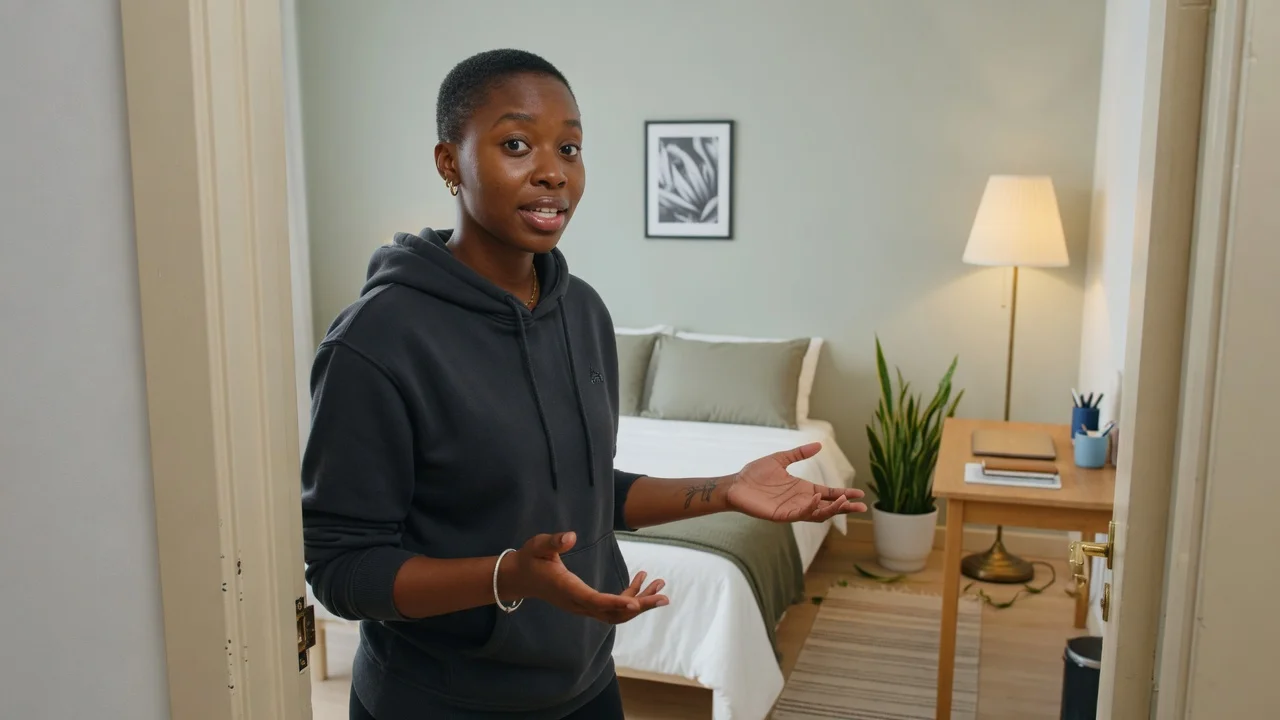
Social anxiety thrives on avoidance. Gentle, repeatable practice is the antidote - and a private space to start is half the battle.

Night-time loneliness is real and common. A few gentle habits can take the edge off the quiet hours.

AI support is real and useful within limits. Knowing exactly where those limits are is what keeps it healthy.

Journaling is reflection that holds still. A companion is reflection that talks back. Here is when to use each.