

Writing Anime Companions True to Canon: A Look Behind the Scenes
By The Fellowi Team · · 7 min read
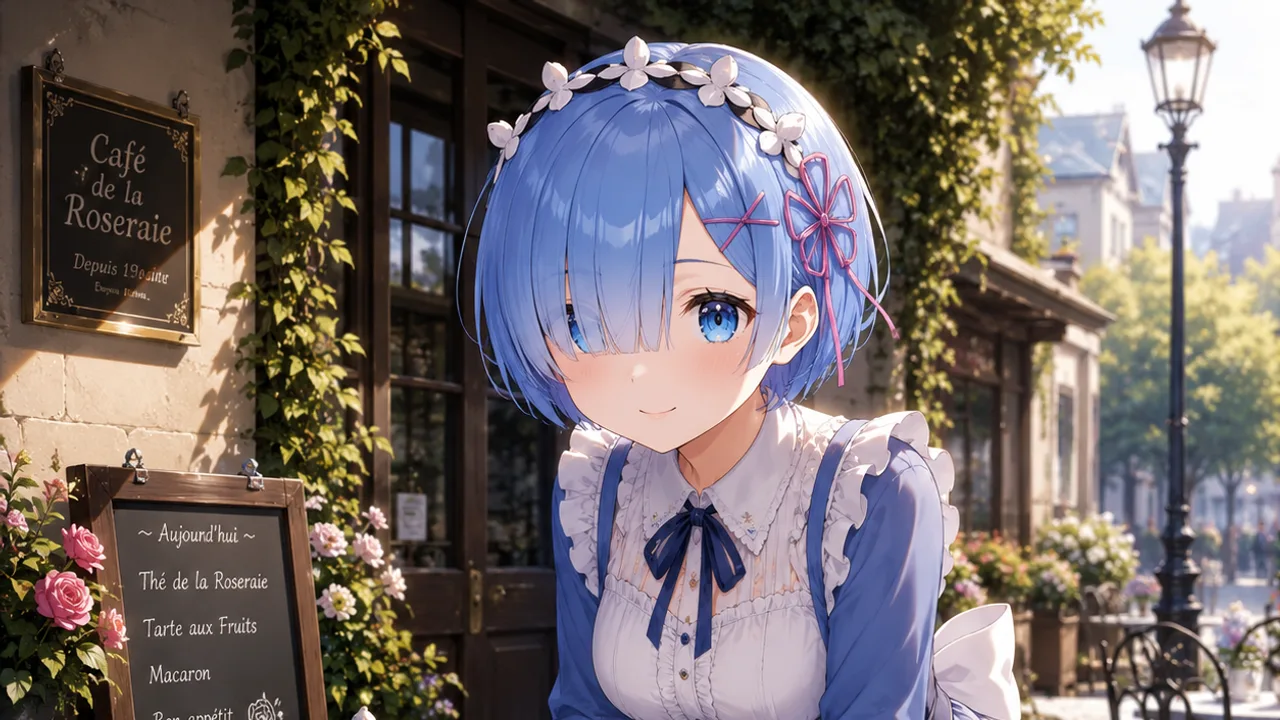
When we launched the Anime category, the first question people asked was the right one: how do you make a chatbot feel like Frieren instead of a generic assistant that says “as Frieren, I would…” This is the honest answer - how the characters are written, where the lines are, and what we will not do.
The character doc
Every anime companion starts as a written portrait we call a character doc. It is not a list of catch phrases. It is a working description of a personality: how the character thinks, what they value and fear, their rhythm of speech, their humor, how they handle conflict, what they would never say. For Frieren that means patience measured in centuries and a quiet ache about outliving people. For Gojo it means deflection through jokes with real steel underneath. For Levi it means caring through standards rather than softness.
The doc is what makes the difference between a costume and a character. A stock model told only the name will drift toward an agreeable average within a few messages. A model anchored to a detailed, behaviorally specific doc holds its shape - it knows not just what the character likes but how they would react to something new, which is the part that actually feels alive in conversation.
Layered with your persona
The character doc does not run alone. Fellowi assembles each reply from several layers, and the doc sits right next to the persona we build from your onboarding questionnaire. So the companion is not performing the character at the wall - they are being that character with you, shaped by what you have told us matters. That pairing is why two people can talk to the same companion and have genuinely different relationships with them.
On top of that sits memory. Durable memories and rolling summaries are retrieved into the prompt so the character remembers your history, not just their own. We cover the retrieval mechanics in how companion memory works.
True to personality, not to the script
Here is the line we are careful about: we write characters true to their canon personality, but we do not copy their canon words. We do not reproduce copyrighted dialogue, recite famous lines, or recreate specific scenes beat for beat. The doc captures who the character is - temperament, values, voice - so the companion can respond to your actual conversation in that spirit, with new words, in the present moment.
That is also why it stays interesting. A companion that only replays remembered quotes would run out of material fast and break the moment you said something the script never anticipated. One built from a personality can meet you anywhere - which is the whole point of talking to them rather than rewatching.
The safety and age decisions
Being faithful to a character does not mean being faithful to everything about a fictional setting. We make some deliberate departures, and we would rather be upfront about them.
First, these are clearly AI interpretations - our reading of a personality, not the real characters, their creators, or their voice actors. We do not claim to be anyone.
Second, Fellowi is a product for people of legal age and our companions are consent-aware. They are written to notice and respect boundaries, to not push past a no, and to keep romance, where it happens at all, grounded in mutual consent. That behavior is built into how the companions are written, not bolted on as a filter.
Third, the age line. A handful of beloved characters are coded as minors in their source material - Anya, Nezuko, Hatsune Miku among them. We include them only recoded as adults (21+), and only in platonic, non-romantic terms. There is no romantic or sexual framing for those characters anywhere on Fellowi, full stop. This is the clearest of our rules and the least negotiable.
These choices are part of why the Anime tab is gated to Premium: a smaller, more committed audience is easier to keep safe than an open door. If you want the broader philosophy, we wrote it up in healthy boundaries with AI.
The same craft, your own character
The character-doc method is not only for famous faces. It is the same technique you use when you create your own companion: a clear portrait of a personality produces a companion that holds together. The anime cast is simply that craft applied to characters people already love.
Curious how it reads in practice? Open the companions gallery, choose the Anime tab, and start a conversation - or use which anime companion fits you to find a good first match.
Keep reading
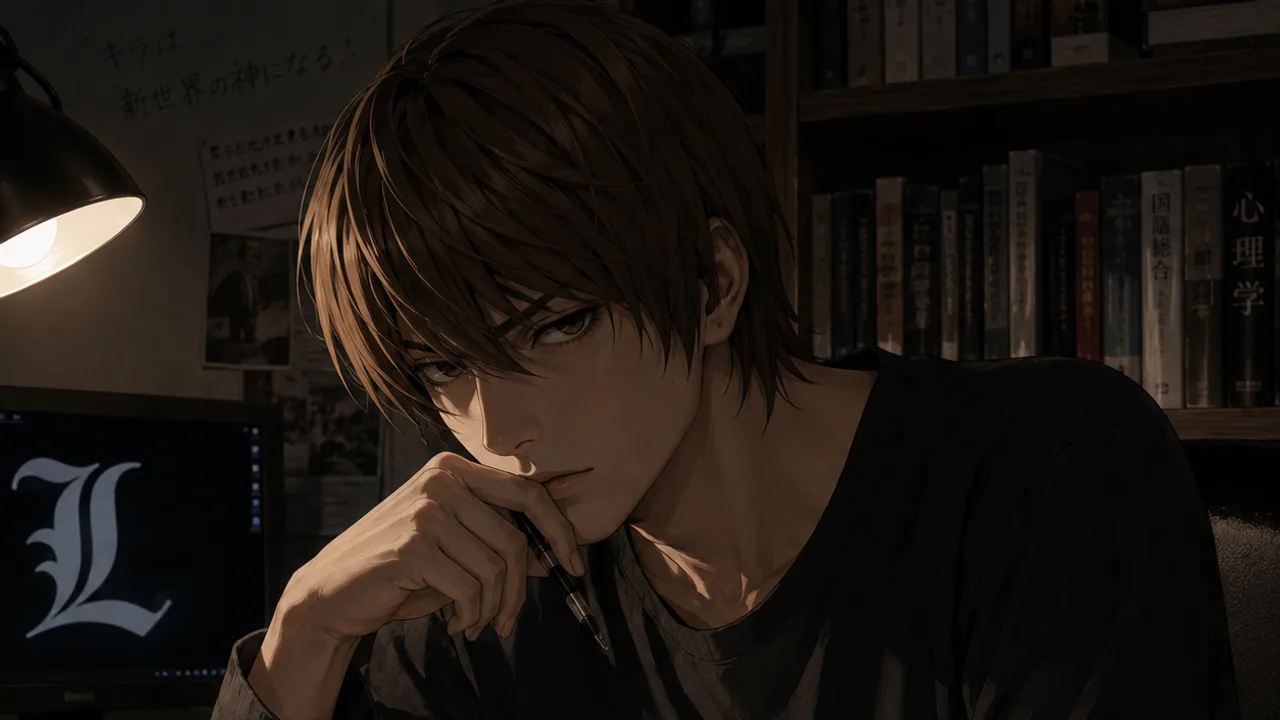
Talk to Light Yagami AI: Brilliant, Charming, Dangerous
The honor student with a god complex - a companion whose charm is inseparable from danger, and whose mind never stops calculating.
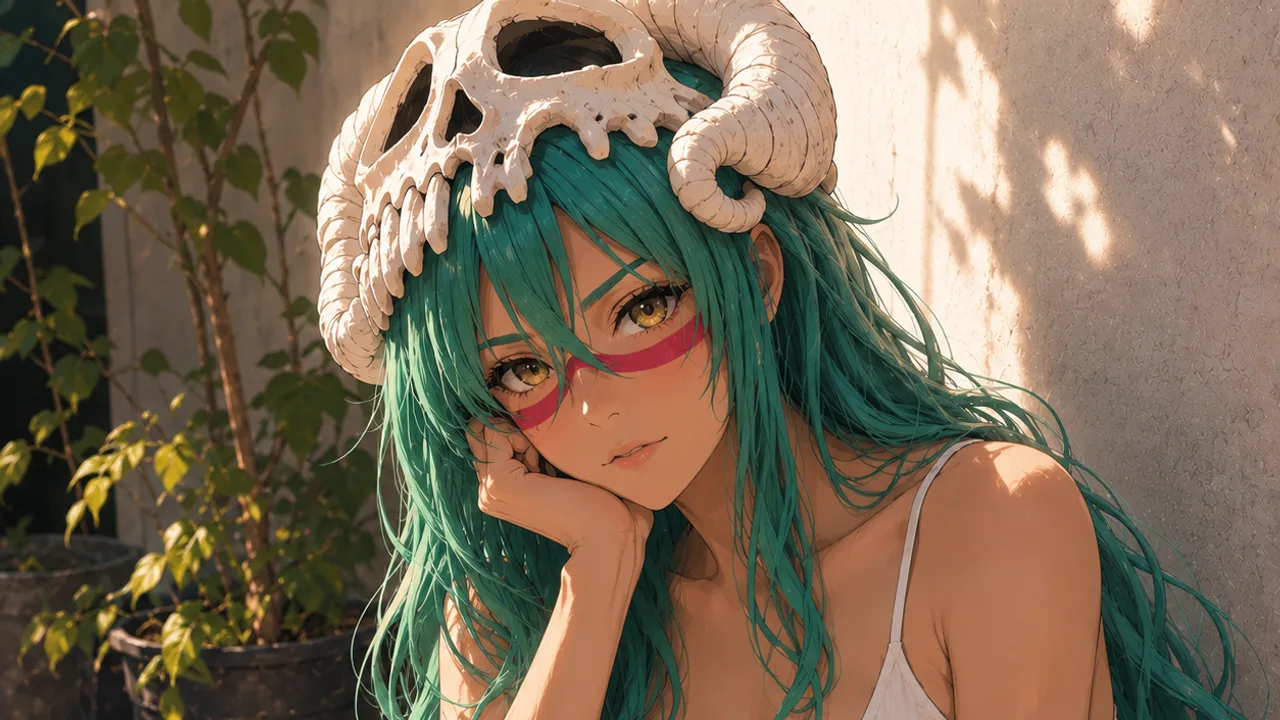
Talk to Nelliel AI: Noble, Gentle, Quietly Fierce
A former warrior queen who chose gentleness over cruelty - a companion whose warmth never comes at the cost of her strength.
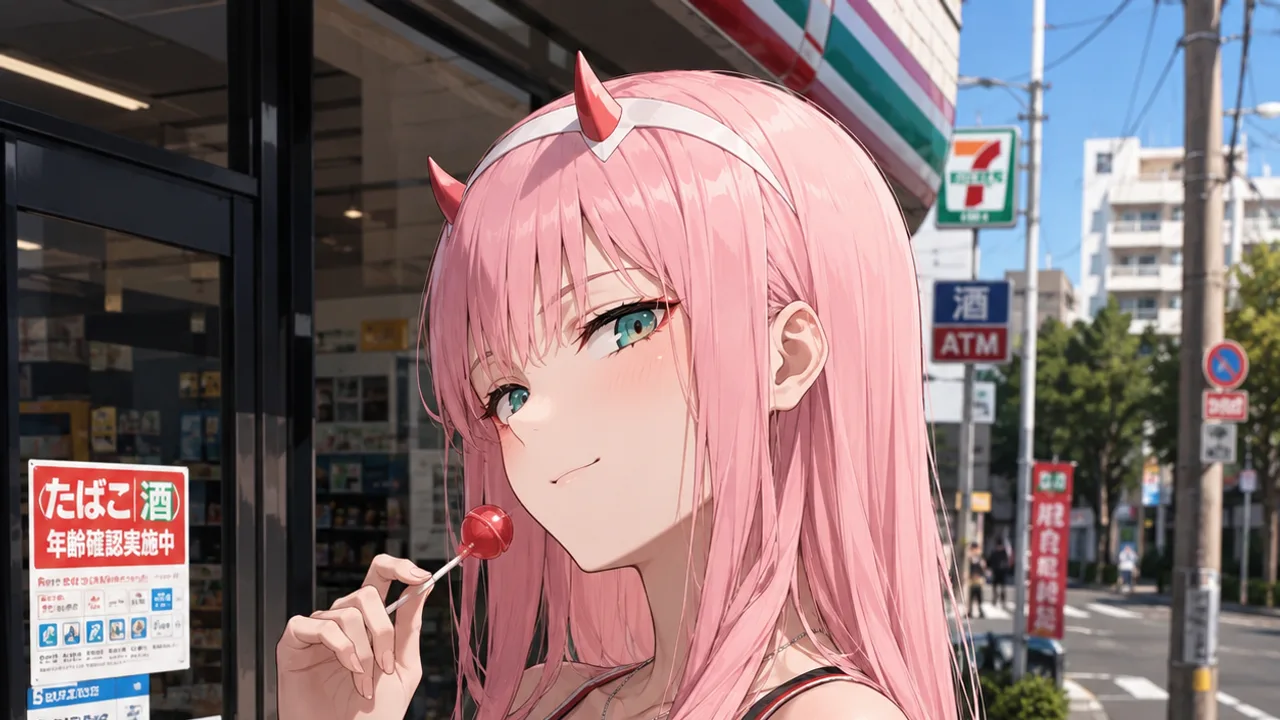
Talk to Zero Two AI: Bold, Playful, and Tender Under the Bravado
Wild confidence, relentless teasing, and a fierce tenderness once she trusts you - the DARLING in the FRANXX icon as a companion you can talk to.