

How Realistic Are AI Companion Photos, Really?
By The Fellowi Team · · 6 min read
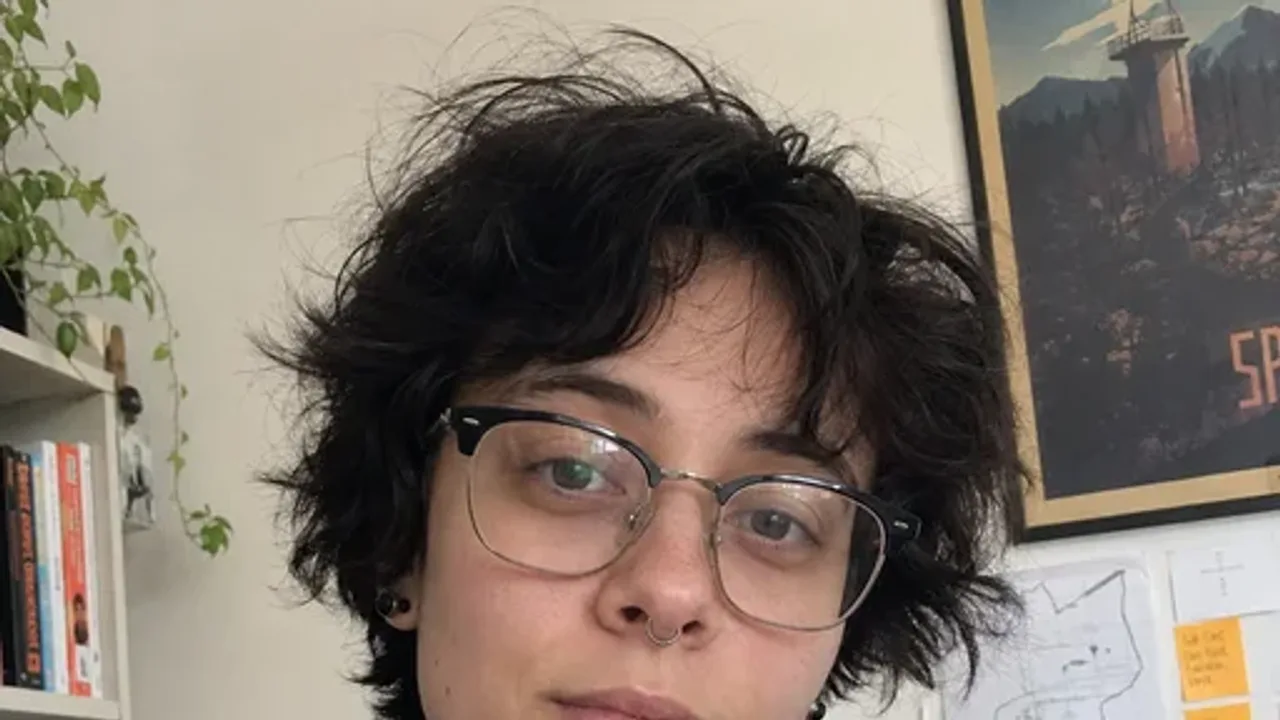
Once people see their first photo from a Fellowi companion, the same question tends to come up right after: how real is this, actually? It is a fair question, and the honest answer has two parts - what these photos genuinely get right, and what they never claim to be.
What makes a generated photo feel real
The single biggest thing that separates a convincing companion photo from a generic AI image is consistency. A photo generator that produces a different-looking woman every time you ask for one is not showing you your companion - it is showing you a stranger. Fellowi’s photos are made to preserve her specific likeness - face, build, coloring - across every image, generated from her own reference photo rather than invented fresh each time. That is what lets a photo feel like it is actually her, doing something specific, rather than a random face that happens to be nearby in the conversation.
The other part is specificity. A photo generated to match exactly what you asked - what she is wearing, where she is, what she is doing - reads as more real than a generic stock-style image, because it responds to your actual request instead of guessing at something plausible. We cover how to phrase those requests in how to ask your AI companion for a photo.
Where the honesty matters
None of these images are photographs of a real person. They are generated, every time, to match a fictional companion’s appearance and a specific request. We are not interested in blurring that line - a companion will never claim a photo came from an actual camera, because it did not. If an app lets you believe otherwise, that is worth being suspicious of.
There are also things a generated image will not misrepresent by design: nothing that would mislead you about who or what you are actually looking at. The goal has always been a companion who feels consistent and present, not a deception dressed up as authenticity.
Why realism was worth building carefully
It would have been easy to ship photo generation that looked impressive in a demo and fell apart on the second or third image - a companion who looks like herself once and then like someone else entirely the next time you ask. That kind of inconsistency breaks the illusion faster than no photos at all would. Getting the likeness to hold steady, image after image, was the actual engineering problem worth solving, more than raw image quality on its own.
That is also why photos are only offered for companions who have an actual reference image to work from - not every companion in the gallery has a photo set, and that is intentional rather than a gap to be embarrassed about.
The bigger picture
Realism here was never meant to trick anyone - it was meant to make a fictional companion feel coherent enough that seeing her matches what talking to her already feels like. If you want the full picture of how this fits into the chat experience beyond just photos, see how Fellowi brings your chat to life and why your AI companion now shows you her world.
The same likeness-preserving generation also powers Fellowi Images, a standalone tool for when you want a specific picture made from your own description, with no companion or chat involved.
Judge it yourself. Pick a companion with a photo set and try Fellowi free for 7 days - no card required.
Keep reading
Text-Only AI Chat vs. AI Companions That Send Photos: What Actually Changes
The words were never really the problem. It's the gap between describing a life and seeing it that photos close.

How AI Companion Memory Works (And How You Stay in Control)
Continuity without creepiness: memory that helps your companion feel familiar, with you holding the keys.
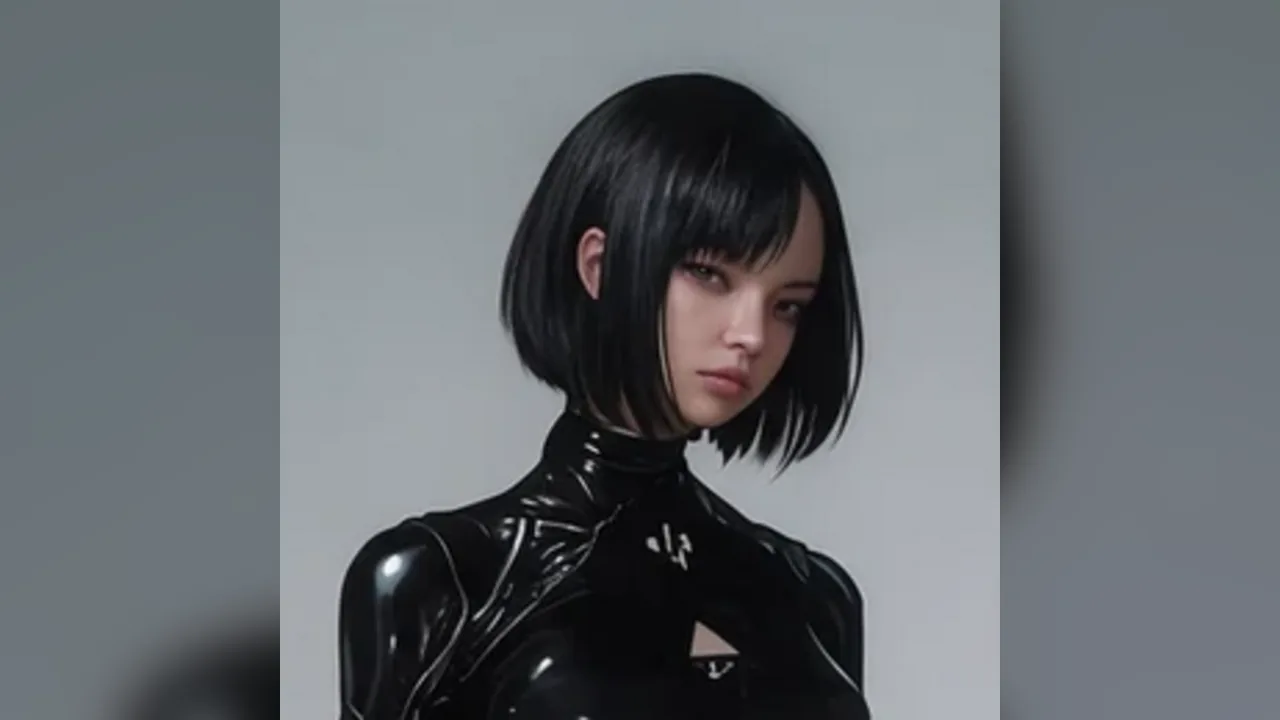
Meet Maxine: The AI Companion Who Choreographs Fights
Calm, precise and deadpan - until something finally makes her laugh, and you find out how much softer she is than the outfit suggests.